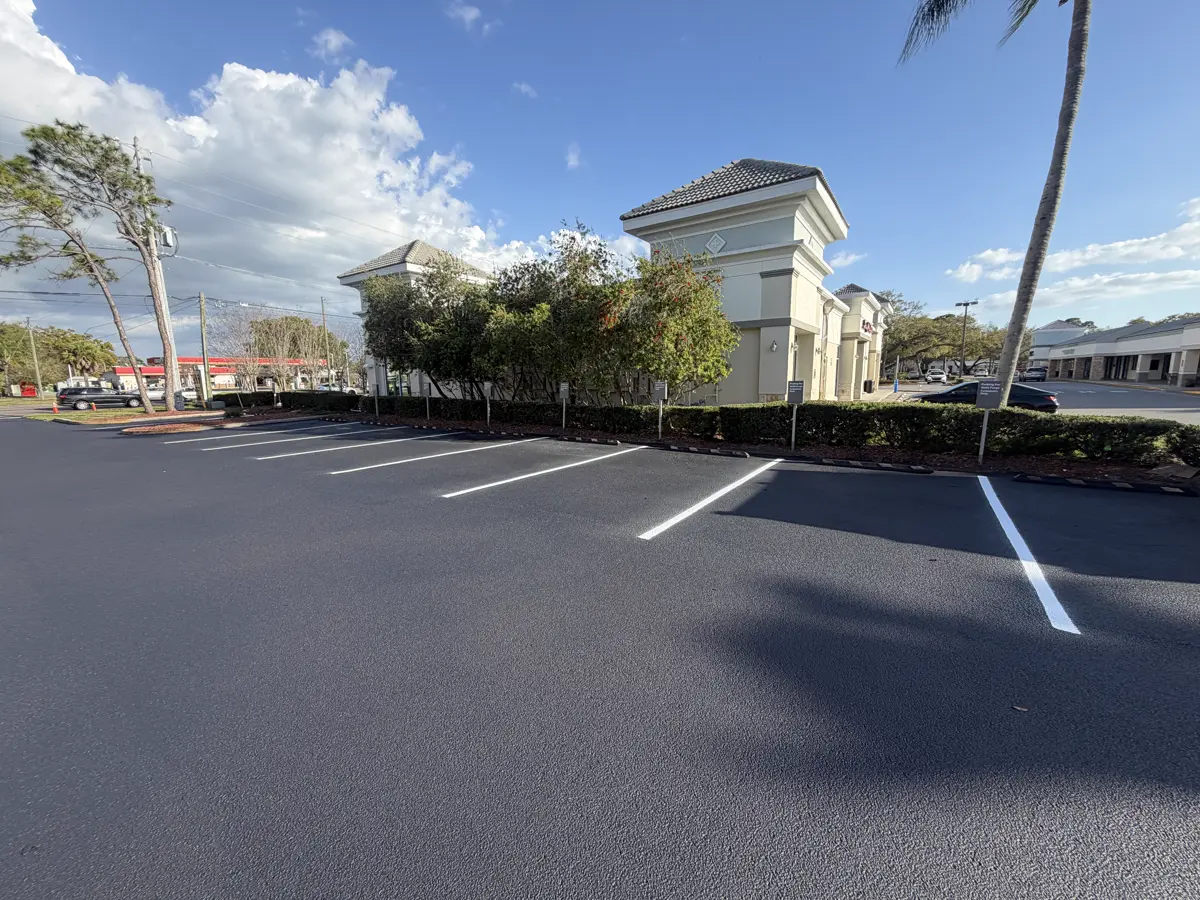
Sealcoating can dramatically improve the appearance of an asphalt parking lot, but the job is not finished when the sealer goes down. The next step—parking lot striping—is what restores the parking layout and gets the property ready for normal use.
One of the most common questions property managers, business owners, paving contractors, and sealcoating companies have is:
How long should you wait after sealcoating before striping a parking lot?
The answer depends on the sealer, weather conditions, pavement condition, and project schedule. Coordinating the two trades correctly can make the entire project run much more smoothly.
Can You Stripe Immediately After Sealcoating?
Generally, the sealcoat needs adequate time to cure before pavement markings are applied.
Striping too soon can create problems because the coating underneath may still contain moisture or may not have developed sufficient cure. At the same time, leaving a commercial parking lot completely unmarked longer than necessary can create operational problems for the property.
There isn’t one universal waiting period that applies to every product and every parking lot. The sealcoat manufacturer’s requirements should be followed, and actual site conditions matter.
Florida’s heat can help curing under the right circumstances, while high humidity, shade, rain, and other conditions can slow the process.
Coordinate the Striping Contractor Before Sealcoating Begins
One of the easiest ways to avoid delays is to schedule the striping contractor before the sealcoating work starts.
This is especially important for commercial properties that need to reopen quickly.
The striping contractor should know:
- When the sealcoating is scheduled
- Which sections of the property are being completed
- When each section is expected to be released
- Whether the existing layout is being duplicated or changed
- Whether new ADA spaces, arrows, crosswalks, fire lanes, or other markings are required
- Whether the project will be completed in phases
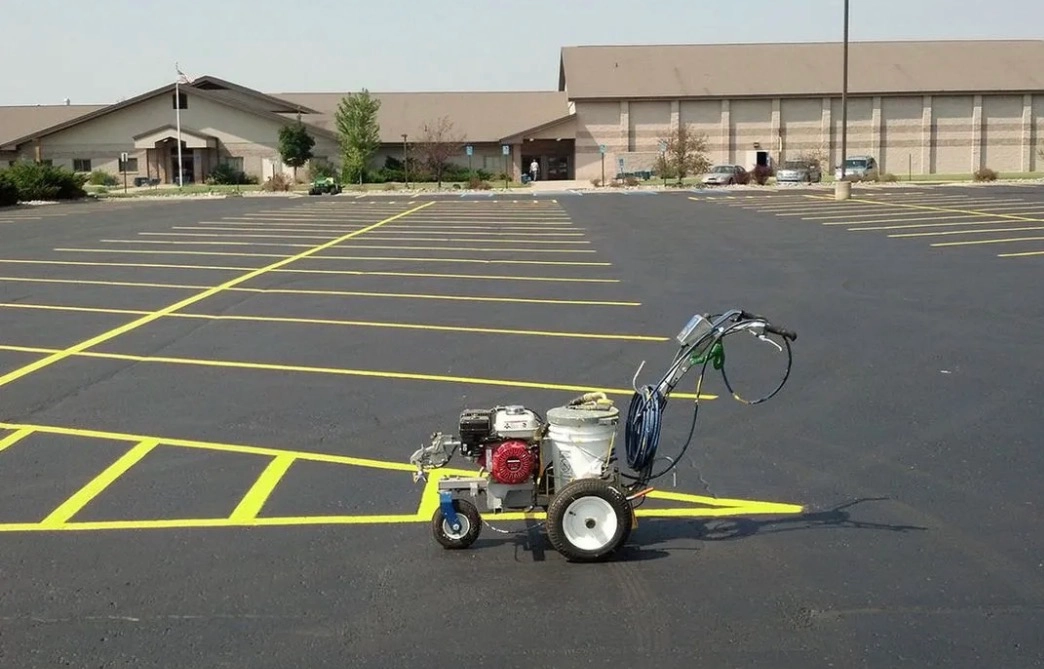
Good coordination allows the striping work to follow the sealcoating operation instead of becoming an afterthought.
Document the Existing Parking Lot Before It Disappears
This is one of the most important steps on a sealcoat-and-stripe project.
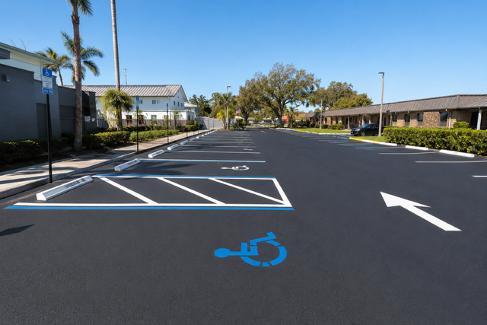
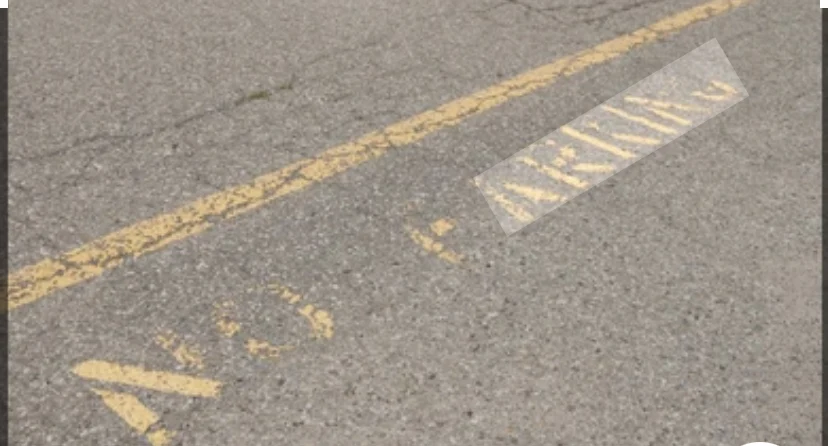
Once a parking lot receives a fresh black coating, the old layout can become difficult or impossible to see.
Before sealcoating begins, the existing layout should be documented if it is going to be reproduced.
That can include parking stall locations, ADA spaces, access aisles, arrows, stop bars, crosswalks, loading areas, numbered spaces, reserved spaces, and specialty markings.
Measurements, photographs, plans, and layout reference points can save considerable time once the pavement is black.
Restriping and New Layout Are Two Different Jobs
A property owner should also decide whether the existing parking configuration should simply be restored or whether this is an opportunity to change it.
If the old layout worked well, the objective may be straightforward: reproduce it accurately after sealcoating.
But if the property has experienced parking problems, traffic-flow issues, tenant changes, additions, or other operational changes, this may be the ideal time to consider a revised layout.
A new layout requires additional measuring and planning compared with simply restoring an established configuration, so that decision should be made before pricing and scheduling the striping work.
Should Striping Be Done in Phases?
For shopping centers, apartment communities, medical facilities, restaurants, hotels, and other properties that cannot completely shut down, phased work can be extremely useful.
One portion of the parking lot can be sealcoated, allowed to cure, striped, and reopened while another section is completed.
However, phasing needs to be planned carefully.
The sealcoating contractor, striping contractor, property manager, and tenants should all be working from the same sequence. Otherwise, parked vehicles and customer traffic can quickly interfere with the next phase.
Don’t Forget the Details Beyond Parking Stalls
A freshly sealcoated lot makes missing markings very noticeable.
Before the striping contractor arrives, review whether the project also requires:
- Directional arrows
- Stop bars
- Crosswalks
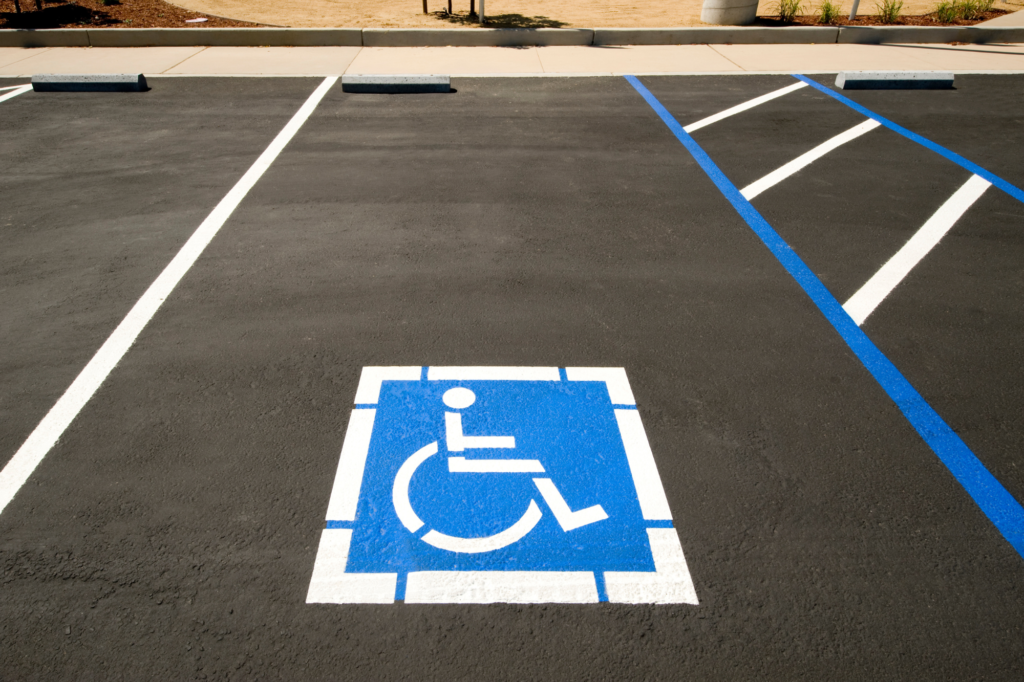
- ADA pavement markings
- Fire lanes
- Loading zones
- No-parking areas
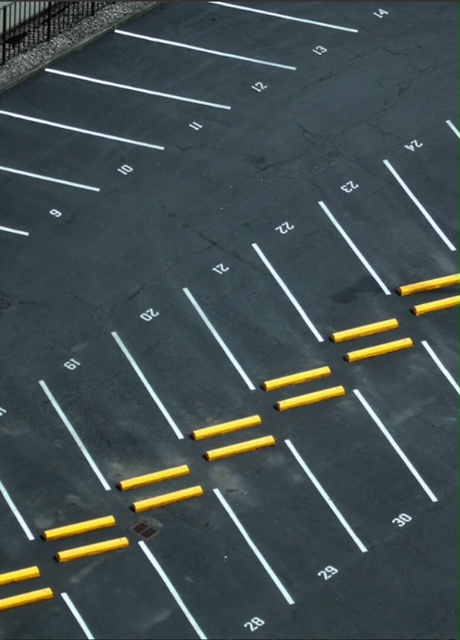
- Reserved or numbered spaces
- Curbs
- Signage
- Curb stops
Handling these items during the same mobilization can be more efficient than discovering them after the main striping work has already been completed.
Sealcoating Contractors: A Reliable Striping Partner Makes Scheduling Easier
Sealcoating companies don’t necessarily need to own striping equipment or maintain an in-house pavement-marking crew to offer their customers a complete finished parking lot.
Affordable Striping works with paving and sealcoating contractors that need a dependable subcontractor to handle the pavement-marking portion of their projects.
You handle your scope. We handle the striping.
That can include existing-layout restriping, new layouts, ADA markings, arrows, crosswalks, stop bars, signage, curb stops, and other pavement-marking work.
Need Striping After Sealcoating in South Florida?
Affordable Striping provides commercial parking lot striping and pavement-marking services throughout Martin County, St. Lucie County, Indian River County, Okeechobee County, Palm Beach County, and surrounding South Florida communities.
If you’re a property manager planning a sealcoating project—or a paving or sealcoating contractor looking for a striping subcontractor—contact us before the sealer goes down.
Early coordination gives us an opportunity to review the existing layout, understand the project schedule, and prepare for the striping work before the original markings disappear.
Call Affordable Striping at 772-200-0015 or visit AffordableStriping.net to request an estimate.
Affordable Striping — professional parking lot striping, pavement markings, layouts, signage, and commercial striping support across Florida’s Treasure Coast.